The best decision of our lives: Why we left commercial gyms
Plates up to 2 kg light, fixed-hook benches and a 200+ kg squat dropped because someone walked into the bar: why we left commercial gyms.
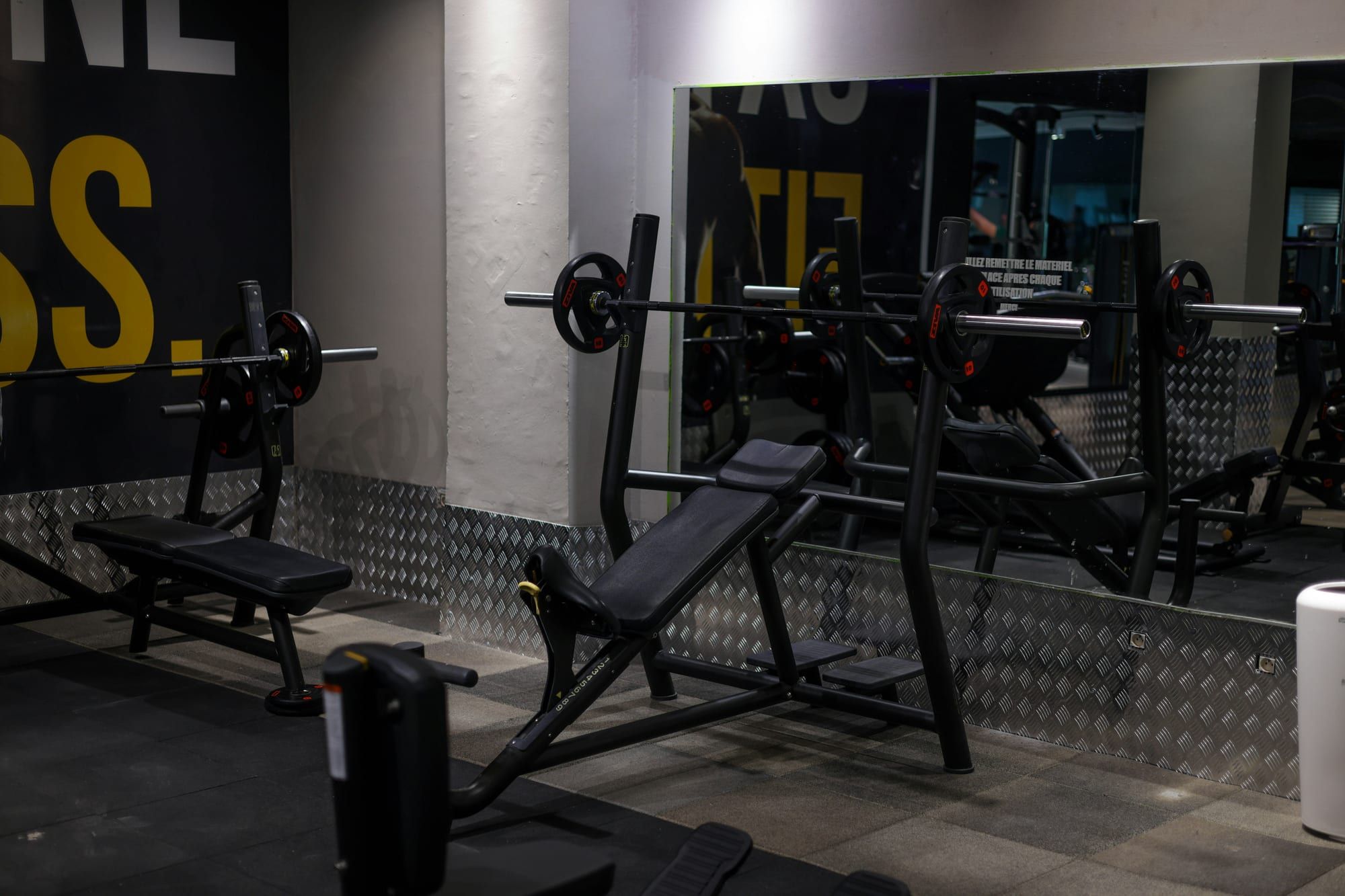
In Hungary, gyms accommodating powerlifting or any other strength sport are pretty rare. Gyms specific to a sport are almost non-existent. I’m pretty sure this is not exclusive to Hungary, based on the yearly posts by competitors about the lack of proper training facilities in the cities where the IPF holds Worlds. I experienced that firsthand in Chemnitz, Germany, in 2025, where I was handling for a lifter.
Athletes engaging in activities like these in commercial gyms are often side-eyed and offered unsolicited advice from people who don’t really know what they’re even looking at, and it can be straight-up dangerous to train there.
This post will be a non-exhaustive list of reasons why some of us decided to just buy our own equipment, rent storage space and create our own “home” gym. In the next part, I’ll tell some funny and some dangerous stories from our time in commercial gyms.
Subpar equipment
Inaccurate plates
This has always been the biggest problem regarding equipment. You often see beginner powerlifters struggle or even bomb out at their first few competitions without understanding why.
Well, when it comes to plates, commercial gyms usually buy whatever is cheapest or what fits their brand, but those plates are often wildly inaccurate. We were always aware of this, but not the extent of it. One of the final nails in the coffin of our decade-long careers in commercial gyms was when we decided to weigh the plates.
20 kg plates ended up being about 18.5 kg on average, while 25 kg plates were around 23 kg. Interestingly, the 10 kg and smaller plates were mostly accurate, regardless of manufacturer.
Either way, that is a 7-8% difference per plate. When you think you’ve loaded 200 kilos, you can be well over 10 kg short without knowing it, and closer to 20 kg once you get up toward 280, so of course people are in for a rude awakening when they start competing. Also, if you have to load mismatched plates, you can easily end up with 10 kilos more on one side of the bar, and I wouldn’t exactly call that an environment that encourages injury-free training.
Non-standard size plates
For some reason, manufacturers started selling smaller 20 and 25 kg plates. Maybe it’s to make them easier to store on machines, but when you are training to a standard, this can be really annoying. A smaller plate means the bar starts lower, so every deadlift turns into a slight deficit pull, and your setup won’t match a meet, where the bar sits on full-size 450 mm plates.
You can try to work around this by using extra rubber mats under the plates if the gym has some. You can also try to hunt down a pair of standard plates and put them on first, then load the smaller ones, but I don’t think concentrating the impact of a heavy deadlift on such a small surface is great for the plates or the bar itself.
Bumper plates everywhere
I have no idea why, but in the past few years, several gyms around us that have nothing to do with weightlifting or CrossFit ended up buying cheap bumper plates. Not only do these share the same problem of usually being 5-10% lighter than they should be, they are also usually really thick, so loading anything over 200 kg or so becomes a challenge. That is an impressive weight for non-competitors, but for powerlifters, unless you compete in the lighter weight classes, it is not a lot of weight at all.
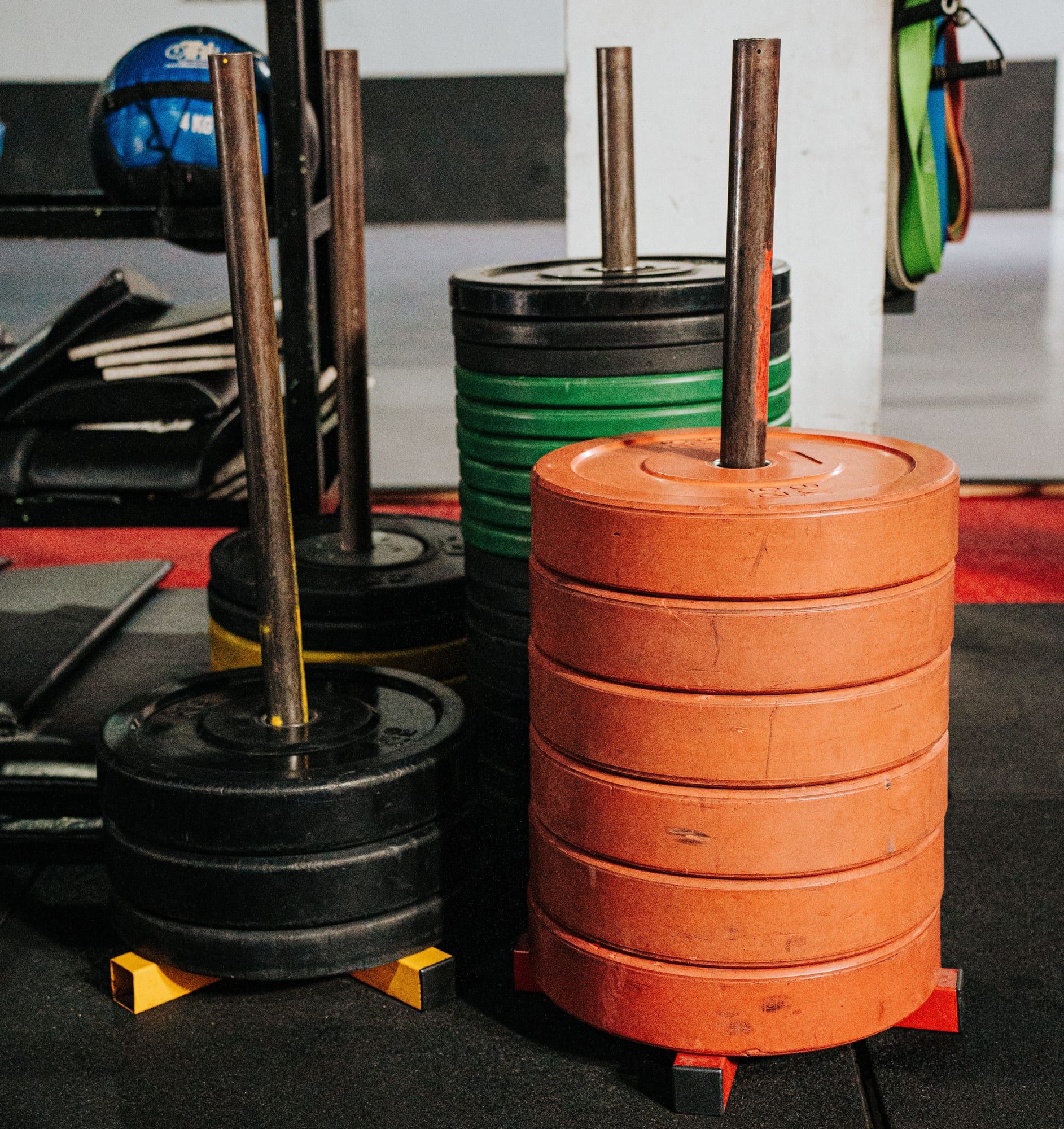
That thickness also means the same weight sits further out on the sleeves, and the further out the load sits, the more the bar bends. That extra whip brings us to the bars in commercial gyms.
No powerbars, only hybrids
Okay, so for most purposes, hybrid bars are fine. The problem is when a hybrid is the only bar in the gym, because for powerlifting, they have some real drawbacks:
-
These bars usually lack center knurling, which makes them more slippery on your back while squatting. This can also be helpful when it comes to front squats, but as a powerlifter, if I had to choose, I’d rather put up with center knurling on the occasional front squat than go without it on all the back squats I do.
-
The sleeves of hybrid bars spin faster and more freely, which can make the bar feel unstable on your back. This comes from the bar trying to serve everyone at the same time: fast spin is a good feature for weightlifting, but it works against you when powerlifting.
-
Hybrids are not as stiff as powerbars, so they bend more easily. That can be dangerous when you load big numbers for squats, and on deadlifts these bars can act kind of like a deadlift bar. The extra whip makes breaking the bar off the floor feel different (many would describe it as easier), which contributes to first-time competitors having a terrible time on meet day, when their opener feels like what they planned for a third attempt.
-
The knurling is usually rather passive on these bars, so they can be very slippery, and commercial gyms aren’t exactly fond of people using chalk either, so this can make deadlifting pretty annoying.
Non-adjustable benches and racks
This is a huge gripe of mine. For some reason, someone, somewhere, decided that it is fine to build benches with two hooks at fixed heights and assume they will fit everyone. You know the one I’m talking about.
Well, on the lower hook, many people can barely get under the bar and lift it off. On the higher hook, they can’t reach it to lift it off at all. These benches usually lack safeties, and the pads are really slippery too, just for good measure.
I have no idea why these got so popular, but honestly, these are not safe to use in the slightest.
Even when the hooks aren’t a problem, benches often have non-standard heights, very soft pads and weird shapes, like a wider section for your butt. All of these can make arching, leg drive and keeping your butt in contact with the bench feel very different from a competition bench.
Squat racks of the same fixed-hook kind have the same problem. The hooks are often really deep, with big distances between them, so you basically have to unrack from a half squat, or walk it out and re-rack while also doing a calf raise.
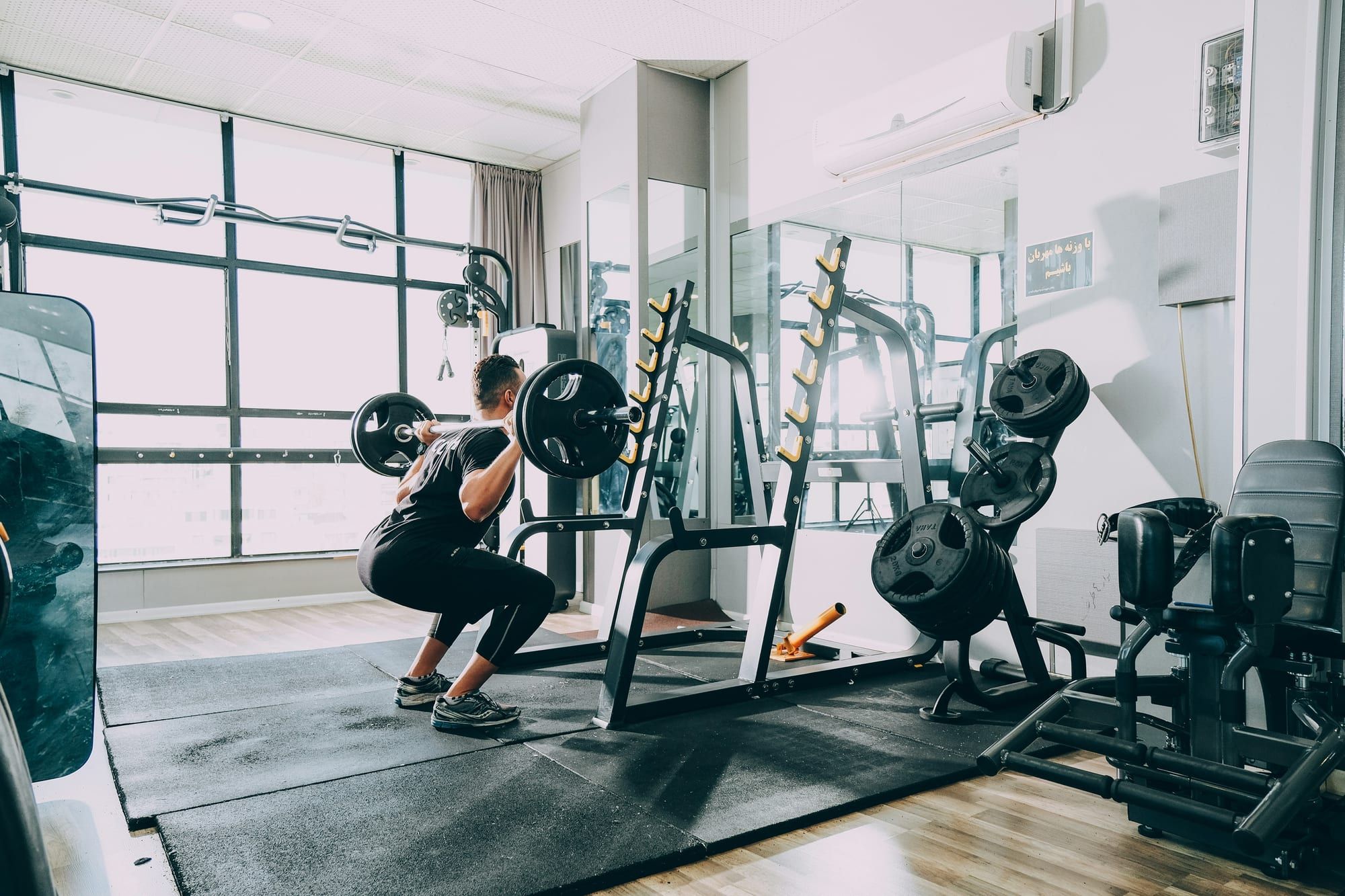
These racks often have non-adjustable safeties too, which prevent lots of people from actually hitting depth inside them.
These things are safety hazards and honestly, they shouldn’t still be in use, regardless of whether the gym accommodates strength athletes or not.
Safety
I’ve already talked a bit about safety in the section about benches and racks, but there is more to this than just the equipment itself.
If you are in a weightlifting, powerlifting, strongman or CrossFit gym, you are likely very aware that people are carrying, walking out or even throwing heavy weights around, so you take a careful look around before you do anything.
Well, most people in commercial gyms are not aware of their surroundings at all, because they simply can’t relate to what these athletes are doing. They just walk from one machine to another and don’t even realize that a 200+ kg bar could crush both of you if they walk into it. I mention this for a reason. This happened to one of my training partners, and it was a miracle that nobody got hurt. Well, other than the safeties of a REALLY expensive Eleiko combo rack. More about this in the next post, where I’ll go deeper into these stories.
Logistics
If you have a busy life with work, school, family or whatever else, a 24/7 gym near you can be a godsend. In the past few years, some have opened around us too, but just 5 or so years ago, this was not a thing in our city. Hell, most gyms had, and still have to this day, weird opening hours. Some are not open on Sundays, some are only open from 8 am to noon on weekends, and some open in the morning, close at noon and open again for a few hours in the evening. Some close for several days during holidays.
Not having to worry about any of this has taken a huge logistical burden off our shoulders. We can train whenever we want, or whenever we can fit it into our schedules.
Conclusion
There are many other things that bothered us, but those are pretty subjective, so it wouldn’t be fair to lump them in with the reasons here.
Either way, I only meant this opening piece to cover some of the biggest reasons we got fed up with commercial gyms and finally took action.
Three years into training at our own place, with our own equipment, I’d say it was the best decision of our lives.
Of course, this comes at a price and has its cons, but we’ll talk about those in future pieces.
In the next one, I’ll get into some more specific stories that happened to us, including carrying our own equipment to the gym during competition prep, a 200+ kg squat getting dropped because someone walked into the bar, and almost stepping on a tiny, off-leash dog I had no idea was there.